Returning to Exercise After Pregnancy While Breastfeeding
Embarking on the journey back to fitness after pregnancy can be both exciting and daunting, especially for new mothers who are breastfeeding. That’s because incorporating exercise into your daily routine postpartum brings a unique set of challenges and considerations. Activity can be beneficial for your physical and mental health, but you also have to be understanding of the changes to your body.
Today, we’re here to help you navigate the complexities of returning to exercise while breastfeeding. Our goal is to empower you with practical tips, safe workout recommendations, and the knowledge to balance your postpartum fitness goals with the demands of breastfeeding.
Understanding Your Postpartum Body
It’s always important to remember that postpartum recovery is different for every woman, and this can affect your fitness journey after pregnancy. Your body has experienced intense physical changes, and now you have a little one to look after – which can make finding the energy and time to workout more challenging.
The bottom line is that you need to give your body time to heal, especially after a difficult pregnancy or delivery. By taking time to rest and recover, especially during the first few weeks postpartum, you can set yourself up for success. This slow pace also provides you more time to bond with your little one and adjust to a new routine.
When Can I Start Exercising After Pregnancy?
Ultimately, when you start exercising postpartum depends on your delivery. According to the American College of Obstetricians and Gynecologists, if you had an uncomplicated pregnancy and vaginal delivery, you may be able to start exercising a few days after giving birth. This means low-impact exercises like walking or aerobics.
However, if you have a cesarean birth or complications your body will need more time to heal. Most experts agree it’s best to wait 6-8 weeks to begin exercising in this case. You should talk with your healthcare provider at your 6-week postpartum check-up to determine if it’s safe to begin exercising again.
Benefits of Exercising After Giving Birth
After giving your body ample time to heal, incorporating physical activity into your daily routine can be extremely beneficial. According to the experts at the Mayo Clinic, regular exercise after pregnancy can:
- Promote weight loss, particularly when combined with a healthy diet
- Improve your cardiovascular fitness
- Strengthen and tone abdominal muscles
- Boost your energy level
Physical activity can also help to relieve stress and promote better sleep – all things that new parents need! So no matter if you want to lose baby weight or increase your stamina, exercising is a good place to start.
Breastfeeding and Exercise: What You Need to Know
Unfortunately, there are a lot of myths about exercise and breastfeeding out there. Let’s dispel this misinformation once and for all.
Does Exercise Affect Breast Milk Quantity?
No! Experts agree that moderate exercise isn’t thought to affect how much breast milk you produce. That being said, it’s important to stay hydrated when you exercise while breastfeeding. Since more than 80% of breast milk is made up of water, the more water you drink, the more likely you are to produce an adequate amount of breast milk for your baby.
Does Exercise Change How Breast Milk Tastes?
Again, nope! There is some speculation that high-intensity workouts might produce a sour taste in breast milk due to a build-up of lactic acid – but this is likely rare. Most experts agree that exercise does not affect the taste of your milk.
Why Am I Gaining Weight While Breastfeeding and Exercising?
There is an old wive’s tale that breastfeeding can help with weight loss, but as Medical News Today explains, that’s not always the case. Whether you gain or lose weight while breastfeeding often comes down to your diet and lifestyle.
It can be frustrating for new moms to see that they’re gaining weight while breastfeeding and exercising, but this shouldn’t deter you from daily physical activity. Your body goes through many changes postpartum. Fluctuating hormones, different nutritional needs, a lack of sleep, and more can lead to unexpected weight gain after pregnancy.
If you’re gaining weight while breastfeeding and exercising, look for other small changes you can make – such as eating a nutritious, but low-calorie diet and getting more sleep.
Tips For Exercising and Breastfeeding
When you want to begin to exercise while breastfeeding, it’s best to take things slow. Starting with low-impact exercises and working your way up to more vigorous activity is best for your recovering body.
Here are some more tips for breastfeeding and exercising:
- Try to stay active for 20 to 30 minutes a day – or at least 150 minutes a week when you’re fully recovered and feel ready
- Do warm-up and cool-down exercises
- Stay hydrated before, during, and after your workout
- Eat a balanced, nutritious diet to fuel your body
- Wear a supportive bra and nursing pads for comfort
If you experience any pain while exercising after giving birth, stop immediately and talk to your healthcare provider. Your body may not be ready for certain exercises and it’s important to prioritize recovery after giving birth.
Best Exercises While Breastfeeding
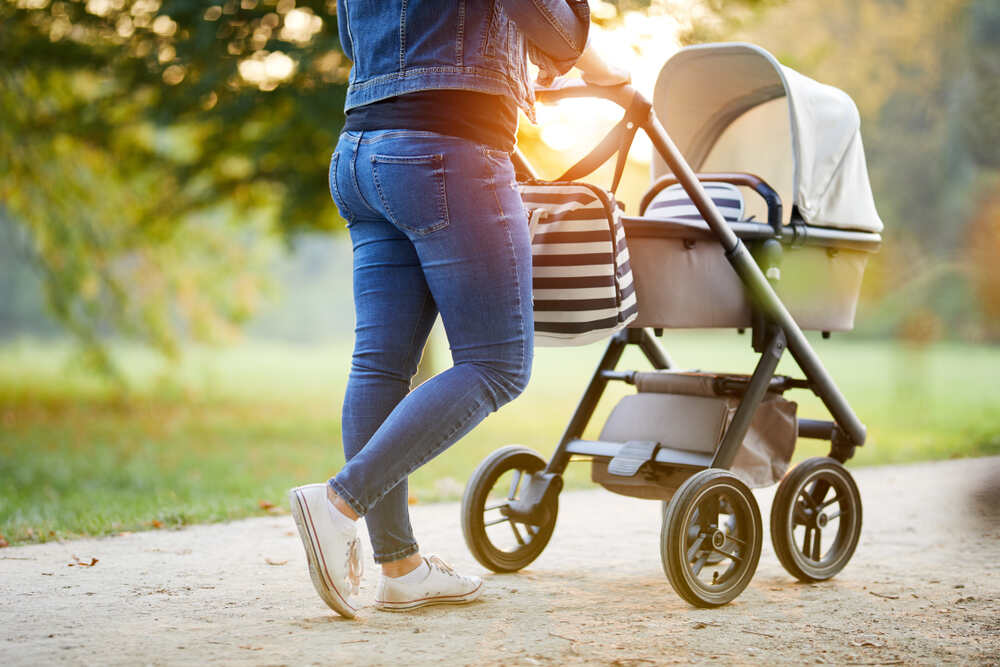
Some of the best exercises while breastfeeding are low- to moderate-impact. Walking, for instance, is one of the best ways to gradually and safely tone your body postpartum. Plus, you can bring baby on your walks for some bonding time!
Water-based activities, such as swimming, and the elliptical at the gym are also good low-impact options that can gradually become more rigorous.
Other activities include gentle aerobics that focus on strengthening your abdominal muscles. Pelvic exercises, yoga, or pilates are a good choice. Finding a post-partum yoga class can also be a good way to extend your social circle to other new moms.
Celebrate the breastfeeding journey with personalized breastmilk jewelry at KeepsakeMom. Shop by collection to customize your jewelry for yourself or a loved one. Order today at KeepsakeMom!